How to Remove Sunscreen Properly With a Face Wash
Sunscreen is engineered to stay on skin through sweat, water and hours of wear. Every property that makes it effective during the day makes it difficult to remove at night, and incomplete removal is a common and under-diagnosed cause of congestion.
Which method you need depends on which sunscreen you wear.
Why sunscreen is harder to remove than make-up#
- Water resistance is a design goal, achieved with film formers and silicones that repel water-based cleansers.
- Mineral sunscreens use zinc oxide and titanium dioxide, often coated to prevent clumping, which makes them cling.
- High SPF usually means a higher total filter load and a thicker film.
- Sunscreen is applied over the whole face, including the hairline and jaw where rinsing is least thorough.
Matching the method to the sunscreen#
| Sunscreen | Removal | Why |
|---|---|---|
| Light chemical, not water-resistant | One thorough cleanse, 45–60 seconds | Emulsifies easily |
| Chemical, water-resistant | Oil or micellar first, then cleanse | The film resists water-based surfactants |
| Mineral (zinc / titanium) | Oil or balm first, then cleanse | Coated particles cling to skin |
| Tinted or with make-up over it | Oil or balm first, then cleanse | Pigment plus film |
| Sport or very high water resistance | Balm, massaged 60 seconds, then cleanse | Designed specifically to resist water |
The method that works#
- Start with dry hands and a dry face — water blocks the oil from binding to the sunscreen.
- Massage cleansing oil or balm for a full minute, including the hairline, the sides of the nose and under the jaw.
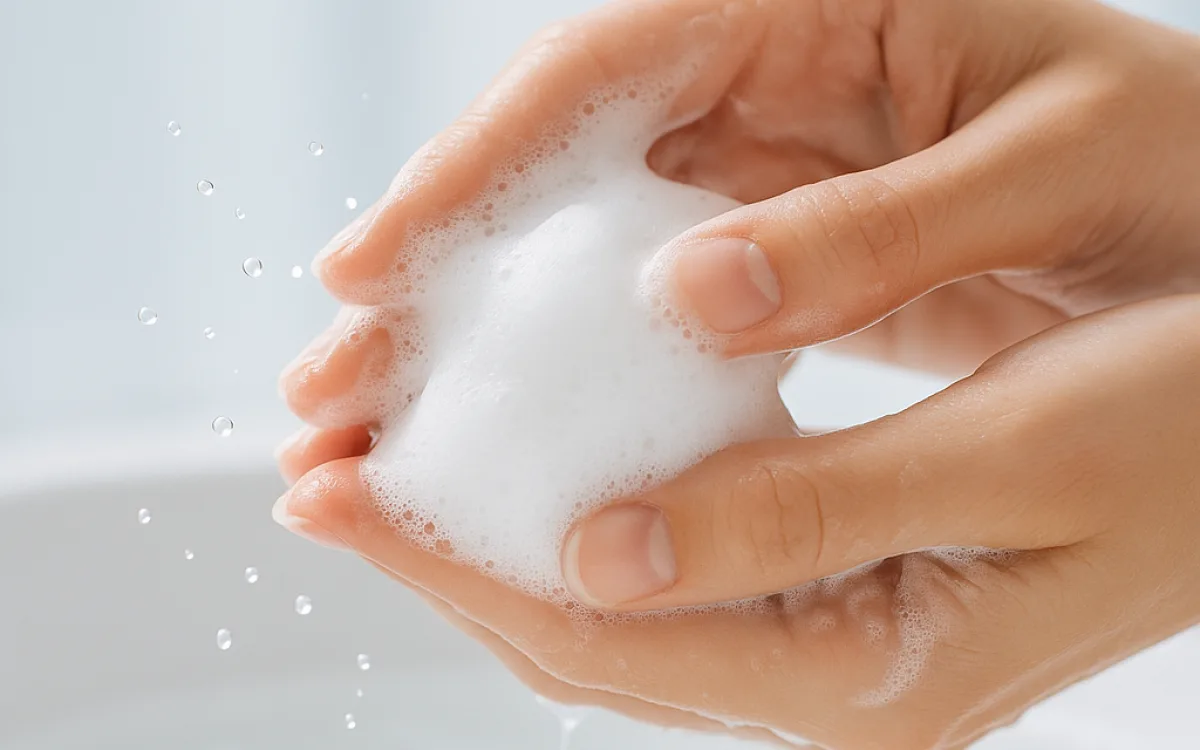
- Add water gradually and keep massaging until the mixture turns milky. This emulsification is what lets it rinse away.
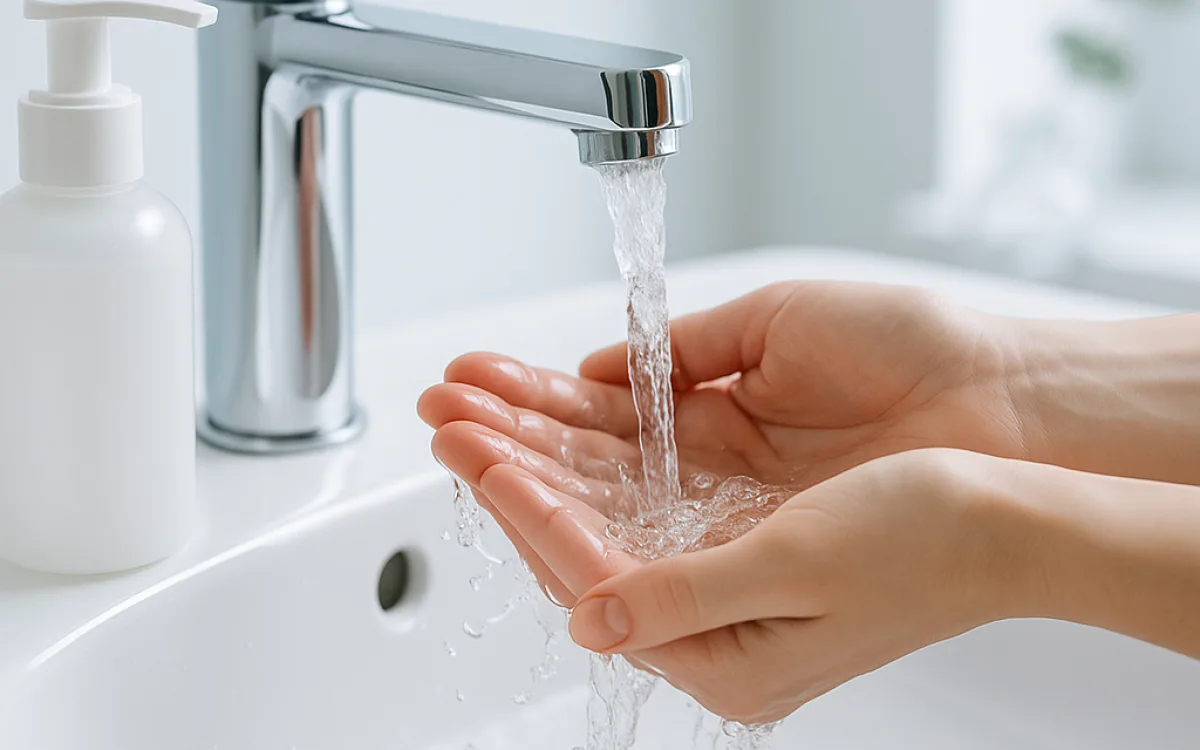
- Rinse thoroughly with lukewarm water.
- Follow with your usual face wash for thirty seconds and rinse again.
How to tell if it is not coming off#
Three signals, in the order they usually appear.
- Your face feels faintly coated or slippery after washing, particularly on the cheeks.
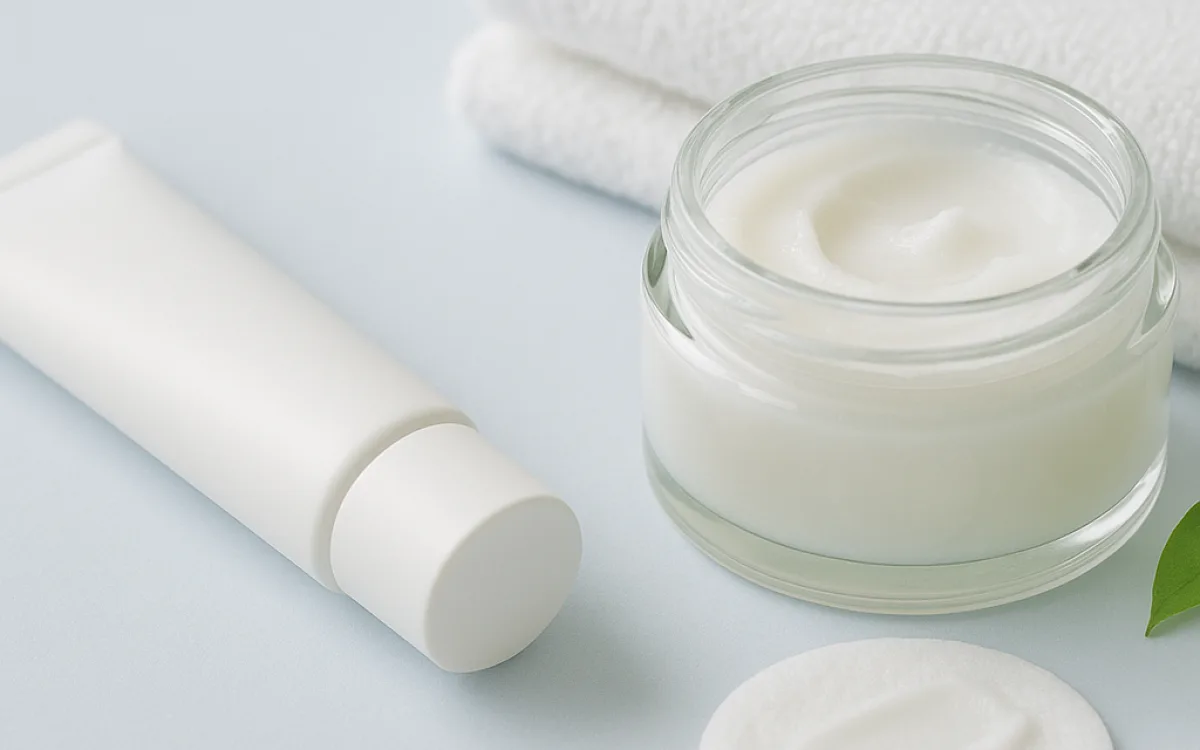
- A cotton pad with micellar water, wiped over clean skin, comes away tinted or greasy.
- Congestion appears along the jaw and hairline over a few weeks — the areas people rinse least.
The cotton pad test is worth running once. It settles the question in ten seconds and tells you whether your evening routine needs an oil step.
Do not skip sunscreen to make cleansing easier#
This should be obvious, but it is a real pattern: people conclude sunscreen causes their breakouts and stop wearing it. The problem is almost always removal or the specific formula, not sunscreen as a category. Change the cleansing method, or change the sunscreen texture — not the habit.
Frequently asked questions
Does a normal face wash remove sunscreen?
A light, non-water-resistant chemical sunscreen usually comes off with one thorough forty-five to sixty second cleanse. Mineral, tinted or water-resistant sunscreens generally need an oil or balm step first.
How do I know if my sunscreen is fully removed?
Wipe a cotton pad with micellar water over your clean, dry face. If it comes away tinted or greasy, something is still there. Check the hairline and jaw, which are the least thoroughly rinsed areas.
Is sunscreen causing my breakouts?
More often the residue is, not the sunscreen. Try a proper removal routine for three weeks before changing product. If congestion persists, the specific formula may not suit you — but the answer is a different sunscreen, never no sunscreen.
how to remove sunscreendoes face wash remove sunscreendouble cleanse sunscreenmineral sunscreen removalsunscreen breakoutsevening cleansing routine